Runs on a private AI box you own
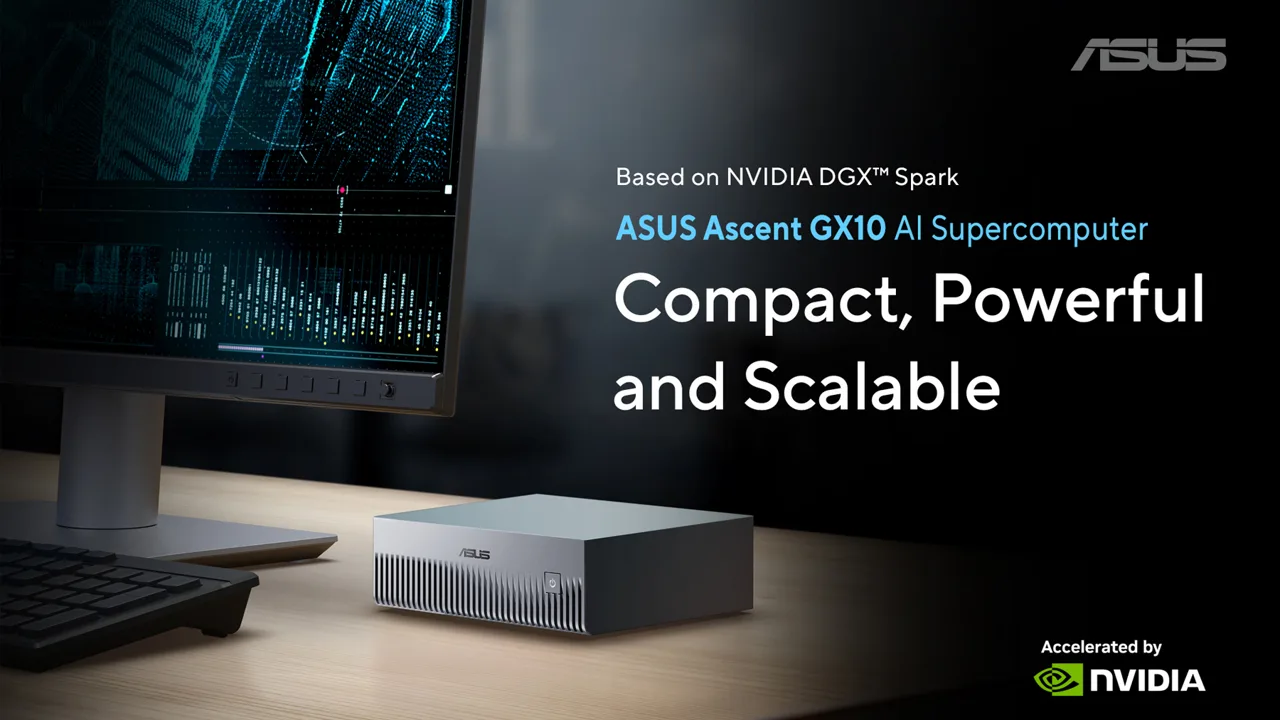
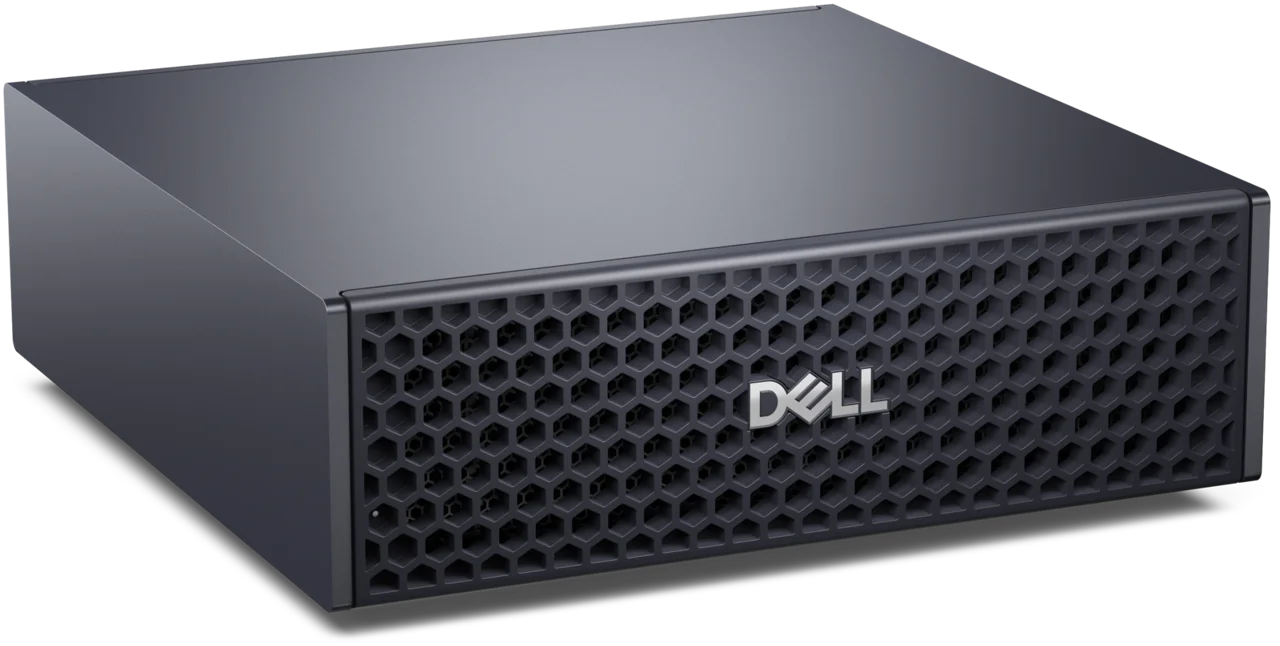
One compact GB10-class device — 128 GB unified memory — runs it on-premise, sold and provisioned by us. No cloud API keys, no data leaving the building.
OpenCode vs Claude Code and Codex: the same workflow, your choice of model
Three coding agents that work the same way — and one of them lets you pick the model: Claude, OpenAI, another cloud LLM, or a private model on hardware you own.
Claude Code, Codex, and OpenCode belong to the same new family of tools: agentic coding assistants. You describe what you want in plain language; the agent reads your repository, writes and edits files, runs commands and tests, and iterates until the job is done — with you reviewing and steering from the terminal.
If your team has used any one of them, it already knows how to use the other two. The real difference is not the workflow — it is which models each tool lets you bring, and therefore where your code and prompts are allowed to travel. That is what this page compares.
What OpenCode shares with Claude Code and Codex
The similarities are structural, not cosmetic. All three tools implement the same working loop, and the skills your developers build in one carry over to the others almost one for one:
- Agentic, not autocomplete: you give an instruction; the agent plans, edits files across the repository, runs commands and tests, and shows you the result — the same division of labour in all three.
- Terminal-first: each ships a command-line interface that lives where developers already work, next to git and the build tools.
- Project context: they read your codebase and take project instructions from files kept in the repository, so the agent follows your team's conventions.
- The developer stays in charge: changes arrive as reviewable edits, and risky actions ask for confirmation before they run.
The precision we owe you, in the same discipline we apply everywhere on this site: OpenCode is an independent open-source project (MIT license); Claude Code is made by Anthropic; Codex is made by OpenAI. We are not affiliated with any of the three, and nothing on this page is a partnership or an endorsement in either direction — the comparison describes working style and model support, nothing more. What BrainOutput provides is the private hardware and tailored local models OpenCode can run against, and the tailored OpenCode setup that ships on our devices. The OpenCode project on GitHub.
Where they differ: the models you are allowed to bring
All three run the same kind of loop. The fork in the road is the backend — which models the tool is built to talk to, and where those models run:
| Claude Code | Codex | OpenCode | |
|---|---|---|---|
| Who makes it | Anthropic. | OpenAI. | An independent open-source project (MIT license). |
| The working style | Agentic coding in the terminal. | The same working style. | The same working style — switching tools does not mean retraining the team. |
| Models it is designed around | Anthropic's Claude models. | OpenAI's models. | Your choice: Claude models, OpenAI models, other cloud providers — or a private model. |
| Private, self-hosted LLMs | Not the design centre — the tool is built around its maker's hosted models. | Not the design centre — the tool is built around its maker's hosted models. | First-class: point it at any OpenAI-compatible endpoint, including a box in your own office. |
| Where code and prompts travel | To the model provider's cloud. | To the model provider's cloud. | Wherever your model runs — with a local model, nothing leaves the machine. |
| If you change model providers | You change tools. | You change tools. | You edit a configuration — the workflow stays. |
These are design centres, honestly stated: the vendor tools are excellent at what they are built for — their maker's models. OpenCode's difference is that the backend is your decision, not the tool's.
One tool, every kind of model: Claude, OpenAI, cloud or private
OpenCode treats the model as configuration. In practice, the same agent — with the same workflow — can run against:
- Anthropic's Claude models — the same family Claude Code is built around.
- OpenAI's models — the same family Codex is built around.
- Other cloud providers, when a different hosted model suits the task or the budget.
- Private models on hardware you own: any OpenAI-compatible endpoint, including a GB10-class sovereign device in your office — prompts, context, and source code never leave the machine.
That last option is the one the vendor tools do not offer, and it matters most in regulated European settings: a coding agent reads what is, for many companies, their most sensitive asset — source code. With a private model behind OpenCode, the GDPR and EU AI Act posture is on-premise by construction, and there is no per-token meter on the agent's day-to-day work.
How BrainOutput fits
We do not make OpenCode, Claude Code, or Codex. What we make is the private backend: every sovereign device we sell ships with OpenCode pre-wired and tailored to the device's local models — model choice, endpoints, context limits, and agent settings matched to the hardware.
This is also how we work ourselves: our own coding workers run OpenCode against our production fleet — the same setup we deliver.
- A GB10-class device provisioned with a working private model stack, OpenCode included and tailored.
- LLM Factory can fine-tune an open-weight coder model on your codebase and deliver it into the device's OpenCode setup.
- Your team keeps the workflow it knows from tools like Claude Code or Codex — the backend becomes yours.
- Device, models, tailoring, installation, and support are scoped and priced per assessment (sur devis); OpenCode itself is free and open source.
Frequently asked questions
- Is OpenCode affiliated with Claude Code or Codex?
- No. OpenCode is an independent open-source project (MIT license); Claude Code is made by Anthropic and Codex by OpenAI. Naming them together here is a comparison of working style and model support — not a partnership. BrainOutput is not affiliated with any of the three.
- If my team already uses Claude Code or Codex, is OpenCode hard to adopt?
- The working style is the same: an agentic coding loop in the terminal — instructions in, reviewable edits and command runs out. What changes is the backend: OpenCode lets you keep that workflow while choosing the model, including a private one.
- Can OpenCode really use both Claude and OpenAI models?
- Yes. OpenCode is provider-agnostic: you configure the provider and model, and you can point it at Anthropic's Claude models, OpenAI's models, other cloud providers, or any OpenAI-compatible endpoint — which is how it talks to a private model on your own hardware.
- Why run the model behind a coding agent privately?
- Because a coding agent reads and edits your source code — for many companies the most sensitive asset they have. Against a private model on your own device, prompts, context, and code never leave the machine: on-premise by construction for GDPR and EU AI Act purposes, with no per-token bill on the agent's day-to-day work.
- What does it cost?
- OpenCode itself is free and open source (MIT). What we price is the sovereign setup around it: the device, the local models, the tailoring, installation, and support — scoped per assessment (sur devis). Request an assessment and we will size it to your team.
Keep the workflow. Own the model.
Request an assessment and we will scope the sovereign device and the private models OpenCode would run against — sized to your codebase, your compliance needs, and your team.